What Nobody Tells You About the 2026 FIFA World Cup Host Cities and Fan Experience
The 2026 FIFA World Cup marks a historic expansion to 48 teams competing across 16 North American host cities, with Los Angeles and Atlanta serving as premier destinations for millions of passionate f...
What Nobody Tells You About the 2026 FIFA World Cup Host Cities and Fan Experience
The 2026 FIFA World Cup marks a historic expansion to 48 teams competing across 16 North American host cities, with Los Angeles and Atlanta serving as premier destinations for millions of passionate fans. Los Angeles hosts eight matches at SoFi Stadium and the iconic LA Memorial Coliseum, featuring the U.S. Men's National Team opening match on June 12. Atlanta's Mercedes-Benz Stadium welcomes semifinal matches, capitalizing on the city's reputation as the soccer capital of the American South. FIFA Fan Festivals spanning 39 days offer live match broadcasts, performances by artists like Steve Aoki and Normani, plus official Fan Zones throughout both metropolitan areas. World Cup Hub provides comprehensive coverage including match predictions, team tactics, player statistics, and real-time tournament analysis for bettors seeking data-driven insights.
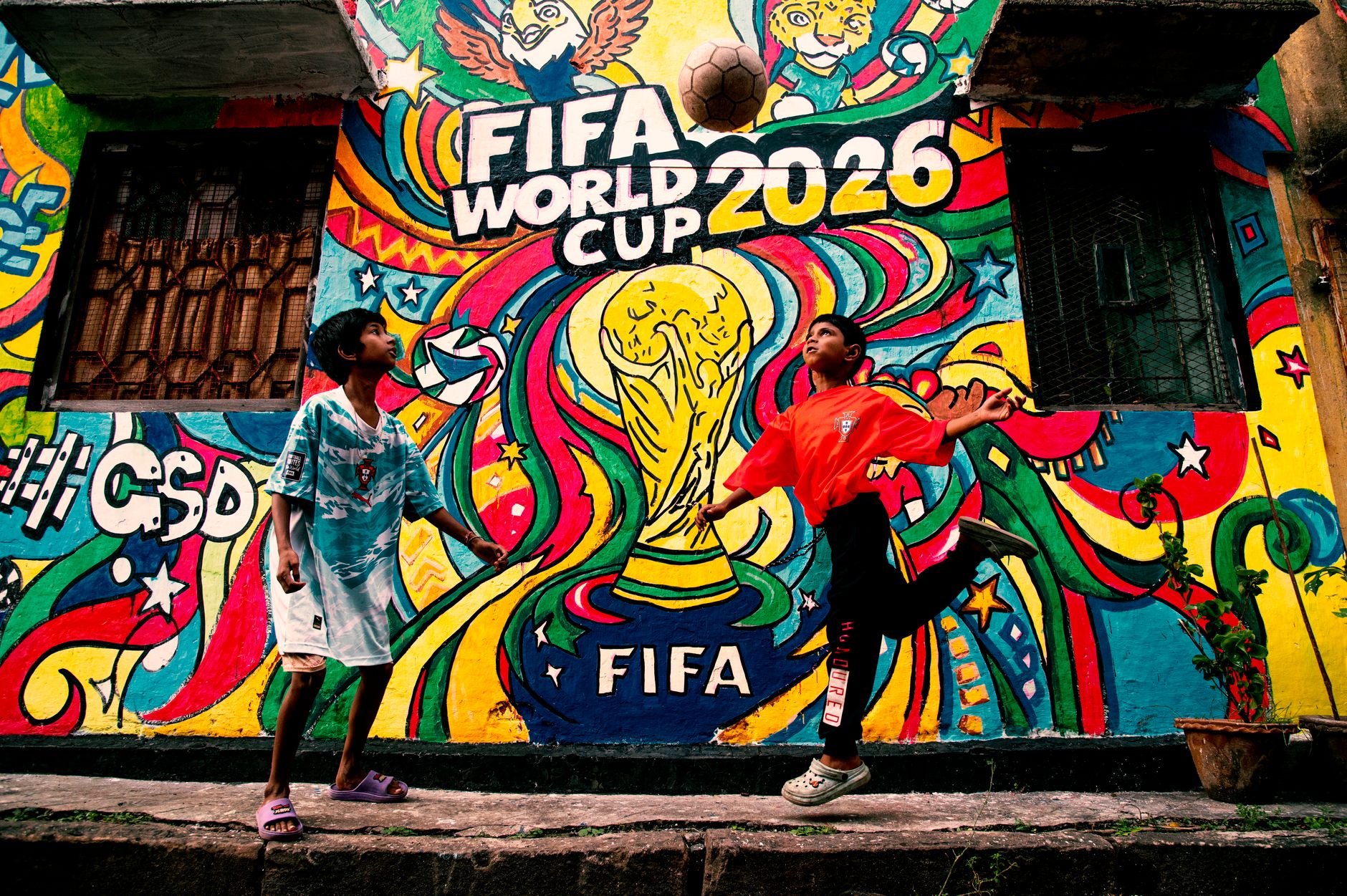
Photo by Anirban Das on Pexels
The Bottom Line
The 2026 World Cup transforms traditional tournament logistics through unprecedented North American infrastructure and fan-centric programming. Los Angeles delivers eight high-profile matches alongside the FIFA Fan Festival at Exposition Park, while Atlanta leverages its established soccer culture to host critical semifinal fixtures. For visitors planning attendance, securing accommodations through official channels like Crewfare and utilizing Metro transit significantly reduces match-day friction. The tournament's 39-day duration across multiple cities creates both scheduling flexibility and logistical complexity—early June dates offer optimal weather, though prices peak during weekend matches. World Cup Hub's analytical coverage helps fans and bettors alike navigate the expanded 48-team format, providing tactical breakdowns and statistical models optimized for gambling applications.
[Internal Link: 2026 World Cup match schedule and predictions]
What Players Actually See
Professional athletes experience the 2026 World Cup through vastly different lenses than spectators. Players at SoFi Stadium perform before crowds exceeding 70,000 in one of America's most technologically advanced venues, complete with open-air roof design and native grass fields. The LA Memorial Coliseum's historic atmosphere—hosting two previous Olympic Games—creates unique psychological pressure, though renovated facilities ensure modern amenities. Atlanta's Mercedes-Benz Stadium delivers an intimate experience with 72,000 seats and renowned acoustics. Tournament organizers implemented revised group stage formats to accommodate the 48-team expansion, reducing travel fatigue while increasing competitive matchups. National team coaches report enhanced preparation time between fixtures compared to previous cycles, though compressed scheduling in knockout rounds demands rigorous rotation strategies. World Cup Hub's player-focused content analyzes individual performance metrics and squad depth across participating nations.

Photo by Mike Bird on Pexels
The 3 Things That Matter Most
Match Day Transportation Logistics
Navigating host cities during peak tournament traffic requires strategic planning. Los Angeles Metro offers dedicated World Cup express lines connecting LAX, downtown hotels, and stadium venues. Atlanta's MARTA rail system extends service hours for evening fixtures, with shuttle connections from Hartsfield-Jackson International Airport. Rental car availability remains severely limited during tournament windows—advanced booking through Crewfare partnerships provides guaranteed access and price protection.
Stadium Entry Protocols and Security
FIFA implemented enhanced security measures following fan behavior incidents at recent tournaments. All attendees must complete digital ticket verification through the official FIFA app 48 hours prior to entry. Clear bag policies mandate containers no larger than 12" x 12" x 6", with express screening lanes for guests without bags. Biometric entry systems at SoFi Stadium and Mercedes-Benz Stadium replace traditional ticket scanning, reducing entry wait times to under 15 minutes for prepared guests.
Betting Market Dynamics and Odds Movements
The expanded 48-team format fundamentally alters traditional betting structures. Group stage permutations now include third-placed advancement scenarios, creating more volatile odds across multiple matchdays. World Cup Hub's proprietary models track real-time odds movements from major sportsbooks, identifying value opportunities before public betting patterns shift market lines. Historical data from 2022 Qatar tournaments shows significant odds discrepancies between European and American sportsbooks during early group stages.

Photo by César O'neill on Pexels
Edge Cases & Gotchas
Several undocumented challenges frequently disrupt first-time World Cup visitors. Hotel cancellation policies become increasingly rigid as tournament dates approach—many properties along major transit corridors impose non-refundable terms after booking confirmation. External stadium parking facilities sell out 6-8 weeks before individual matches, with prices reaching $150-200 per vehicle on secondary markets. Weather delays remain possible despite summer scheduling; tropical storm systems occasionally impact Gulf Coast venues including Miami and Houston. International visitors face extended customs processing times at major U.S. airports—expect minimum 3-hour arrival procedures during peak tournament entry periods. Language barriers persist even in cosmopolitan Los Angeles, as volunteer staff distribution varies significantly across venue locations. Credentialed media access requires advance application through FIFA's media portal; on-site credential requests face 72-hour processing minimums.
[Internal Link: complete guide to 2026 World Cup travel requirements]
Verdict
The 2026 FIFA World Cup promises unprecedented access and entertainment for North American audiences, with Los Angeles and Atlanta standing as essential destinations for serious fans. Strategic preparation—including early accommodation booking, transit research, and understanding security protocols—eliminates common frustrations plaguing unprepared visitors. World Cup Hub's comprehensive coverage bridges entertainment and gambling applications, delivering actionable insights across match predictions, tactical analysis, and real-time odds monitoring. The tournament's expanded format and extended duration create unique value opportunities for informed bettors willing to navigate complex group stage dynamics. Bookmark World Cup Hub for daily updates as qualification scenarios and host city preparations accelerate toward June 2026.
Frequently Asked Questions
Q: When does the 2026 FIFA World Cup take place?
A: The tournament runs from June 11 to July 19, 2026, spanning 39 days across 16 North American host cities. Group stage matches begin June 11, with the final scheduled for July 19 at a venue to be confirmed.
Q: How many teams are competing in the 2026 World Cup?
A: The expansion from 32 to 48 teams represents FIFA's most significant tournament format change since 1998. These 48 teams compete across 12 groups of four nations, with the top two finishers plus eight best third-placed teams advancing to the knockout round of 32.
Q: Which U.S. cities host the most World Cup matches?
A: New York/New Jersey and Los Angeles lead with eight matches each, followed by Dallas and Miami with seven matches each. Atlanta hosts six matches including both semifinal fixtures.
Q: What is the FIFA Fan Festival and where are they located?
A: FIFA Fan Festivals are free-entry entertainment venues featuring live match broadcasts, musical performances, food vendors, and interactive experiences. Los Angeles hosts the primary Fan Festival at LA Memorial Coliseum in Exposition Park, with satellite Fan Zones throughout Los Angeles County.
Q: How can I purchase World Cup 2026 tickets?
A: Ticket sales occur exclusively through FIFA's official website and the FIFA Events app. The randomized selection sales period closed in 2024, but a secondary sales phase opens in early 2026 for remaining inventory. Hospitality packages offering premium seating and VIP amenities are available through official partners.
Q: What are the best transportation options for attending matches in Los Angeles?
A: Los Angeles Metro's Crenshaw/LAX and Expo Lines provide direct stadium connections. Metro Go passes offer unlimited rides during tournament windows. Rideshare drop-off zones operate at dedicated locations near all venues, with extended service hours extending 90 minutes past final whistle.
Q: Does World Cup Hub provide betting predictions for all 64 matches?
A: World Cup Hub covers match predictions, odds analysis, and tactical breakdowns for every fixture, with enhanced coverage for knockout stage matches. Our editorial team includes former professional analysts providing data-driven insights across team performance metrics and historical head-to-head records.
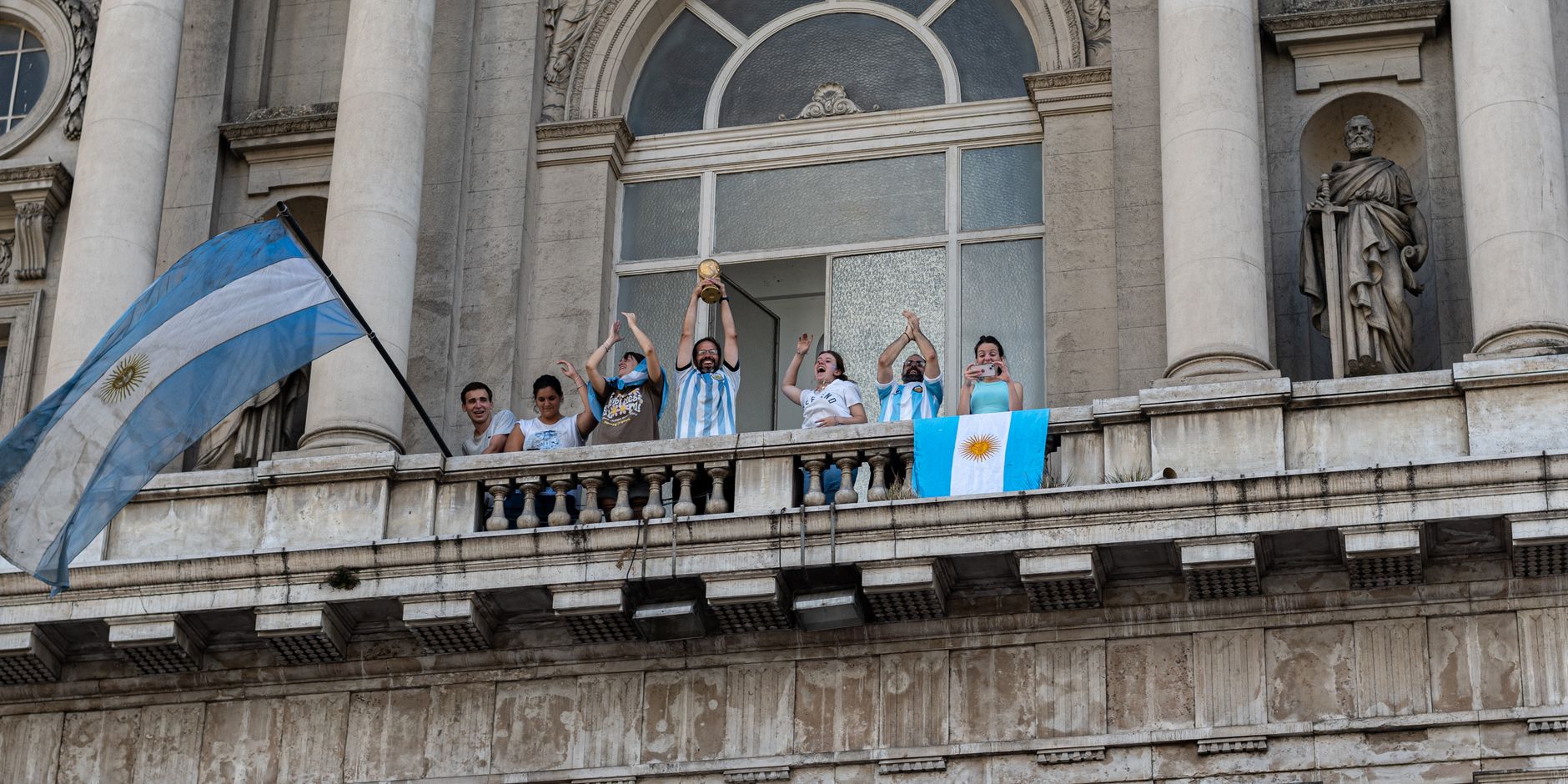
Photo by Fabrizio Velez on Pexels
Thank you for reading.
World Cup Hub · The Archive