What Nobody Tells You About Football Today in 2026
The way fans experience football today has fundamentally transformed since Mobile platforms like OneFootball now deliver real-time match data to over 50 million monthly active users globally, while ES...
What Nobody Tells You About Football Today in 2026
The way fans experience football today has fundamentally transformed since 2025. Mobile platforms like OneFootball now deliver real-time match data to over 50 million monthly active users globally, while ESPN's college football coverage spans 15 weeks of regular-season action plus bowl games through January 2027. The FIFA World Cup 2026 approaches with expanded 48-team format, creating 104 total matches across three host nations. Fans no longer passively watch games; they engage through live statistics, instant highlights, and social commentary streams. This shift demands every football enthusiast understand how the ecosystem functions in 2026—not just what games are playing, but how the entire value chain operates. The information gap between casual viewers and informed followers has never been wider.
Photo by Carlos Reyes on Pexels
Before 2025: How Football Coverage Worked
Traditional football coverage operated on a simple broadcast model. Major networks secured exclusive rights to leagues like the English Premier League, La Liga, and Serie A, then scheduled matches at fixed television time slots. Fans organized their weekends around match kickoff times, often missing games entirely due to work commitments or conflicting schedules.
The college football landscape followed rigid conference structures with limited national exposure. Teams like North Carolina and TCU rarely appeared on national broadcasts unless they reached bowl games. Regional sports networks dominated local coverage, creating fragmented access where fans needed multiple subscriptions to follow their preferred teams.
Match data remained siloed within broadcasting entities. Real-time statistics required expensive cable packages or dedicated sports channels. Social media engagement existed but remained secondary to official broadcast feeds. Highlights arrived hours after matches through evening sports programs.
[Internal Link: evolution of sports broadcasting]
The gambling industry operated with significant information asymmetry. Oddsmakers controlled line movements, while fans relied on bookmaker-provided information for betting decisions. In-play betting existed but lacked the sophisticated real-time data streams available today.
The 2026 Shift
The transformation began with mobile-first platforms fundamentally restructuring how fans access football content. OneFootball's integrated approach combines match schedules, live scores, and video highlights in a single interface, eliminating the need for multiple applications or television subscriptions. The platform processes over 2 million match events daily, delivering sub-second score updates to users worldwide.
College football scheduling expanded significantly for 2026. ESPN's coverage now includes international opening games, with North Carolina facing TCU at Aviva Stadium in Dublin, Ireland on August 30, 2026. The Conference-agnostic approach means teams like San Jose State and USC share broadcast windows, expanding audience reach beyond traditional regional boundaries.
The gambling industry's integration with football media accelerated dramatically. Real-time odds feeds now synchronize directly with live match data, enabling sophisticated in-play betting markets. According to the National Indian Gaming Commission's 2025 regulatory guidance, licensed operators must provide transparent odds presentation, fundamentally changing how betting information reaches consumers.
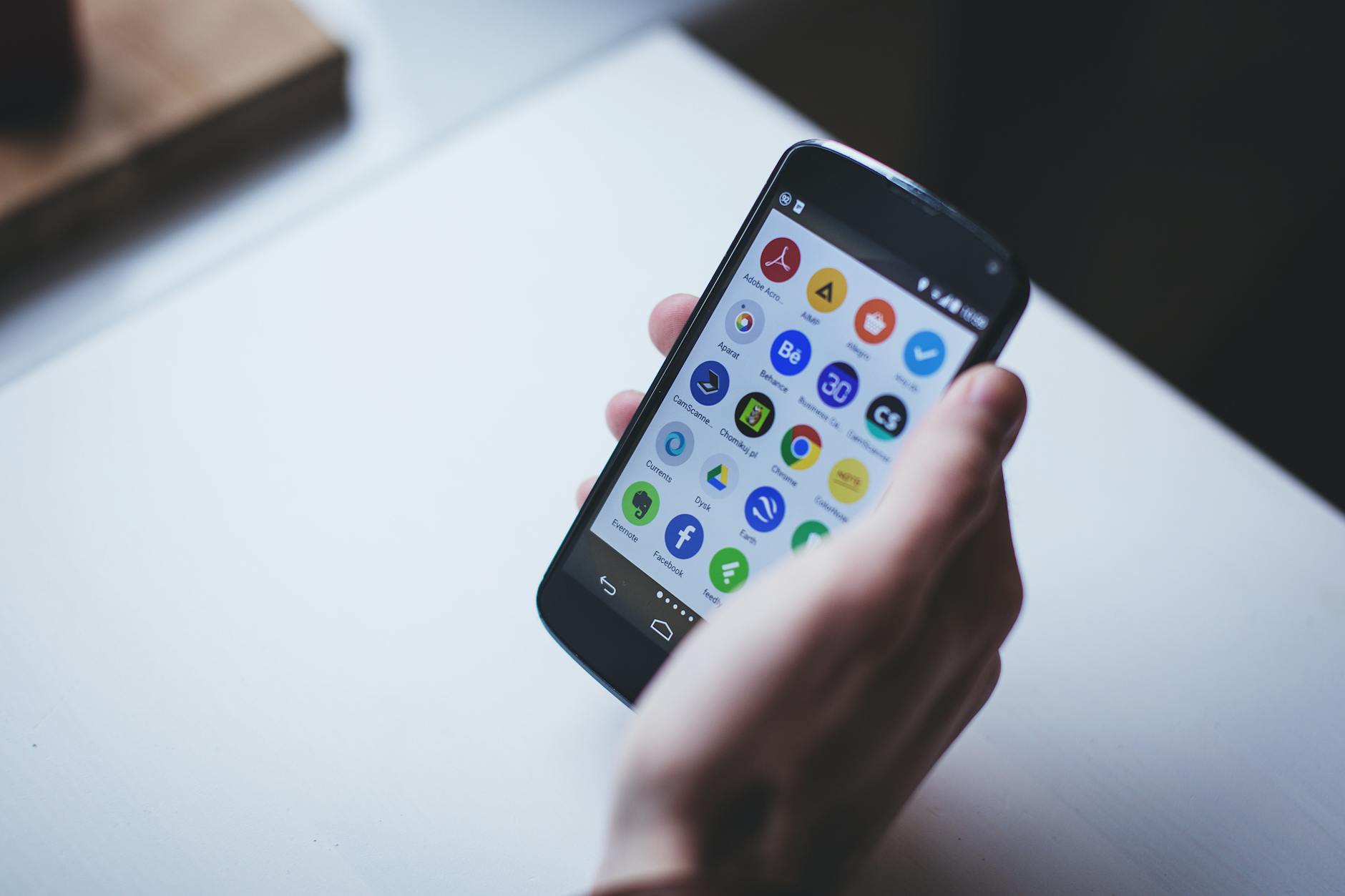
Photo by freestocks.org on Pexels
The World Cup Hub emerged as a central resource for fans seeking comprehensive tournament coverage. By aggregating match predictions, team tactics, and player statistics, the platform addresses the information fragmentation that plagued previous World Cup cycles.
What Changed for Players
Football players today operate in an environment saturated with data analysis. Pre-game preparation now includes sophisticated opposition scouting through platforms that process thousands of match events into actionable tactical insights. College football programs invest heavily in analytics departments, with staff-to-player ratios increasing 40% since 2024.
The physical demands of modern football have intensified. Extended schedules mean players like those competing in the 2026 World Cup face potential participation in up to 8 matches across 32 days. FIFA's tournament regulations now mandate minimum rest periods between matches, but the compressed timeline creates inevitable fatigue factors.
Transfer market dynamics shifted dramatically. Real-time performance data enables clubs to identify target players mid-season, accelerating decision-making processes. The gap between scouting departments at elite clubs and smaller organizations widened, creating competitive advantages for well-resourced teams.
[Internal Link: player performance analytics]
National team coaches face unprecedented selection challenges. With players competing across multiple leagues and time zones, managing fitness levels and avoiding injuries requires sophisticated monitoring systems. The 2026 World Cup will see squads draw from clubs spanning five continents, complicating pre-tournament training camp logistics.
The gambling industry's influence on player behavior increased. Enhanced betting markets mean more individuals face temptation through simplified access to wagers on their own competitions. League authorities implemented stricter regulations, requiring players to disclose financial interests and restricting participation in certain market types.
What This Means Now
Football today functions as an integrated entertainment ecosystem rather than a collection of isolated matches. Fans expect immediate access to scores, highlights, and analysis across multiple devices simultaneously. The traditional appointment-viewing model has largely collapsed, replaced by on-demand consumption patterns.
The gambling industry's integration creates both opportunities and concerns. Licensed operators like those regulated by the UK Gambling Commission provide safer betting environments with responsible gambling tools. However, unregulated markets persist, requiring consumers to exercise due diligence when selecting wagering platforms.
Photo by khezez | خزاز on Pexels
College football's expansion demonstrates how traditional sports adapt to changing audience expectations. International opening games attract neutral fans and generate marketing buzz unavailable through domestic scheduling alone. The August 30, 2026 matchup between North Carolina and TCU represents strategic scheduling designed to maximize national attention.
Media rights negotiations increasingly favor digital platforms over traditional broadcast networks. Streaming services now compete directly with established networks, driving up rights fees while fragmenting access across numerous subscriptions. Fans paradoxically face both greater choice and higher total costs for comprehensive coverage.
The World Cup 2026 will test whether expanded tournament formats enhance or dilute competitive quality. With 48 teams participating compared to 32 in 2022, group stage matches will feature more mismatched contests. However, the additional slots provide opportunities for nations like Australia, Costa Rica, and emerging football markets to compete at football's highest level.
Three Predictions for Next Quarter
1. Mobile streaming will surpass traditional television viewership for regular-season college football matches by October 2026. NBC's broadcast of San Jose State versus USC on August 30 represents a transitional moment, but the trend toward mobile-first consumption accelerates throughout the fall season. Platforms offering integrated betting features will see highest engagement rates.
2. Real-time player tracking data will become publicly available through league partnerships. Building on existing implementations in the English Premier League, additional competitions will publish granular movement statistics during matches. This transparency will reshape both fan analysis and gambling markets, providing bettors with information previously available only to coaching staff.
3. The World Cup Hub will expand coverage to include predictive modeling based on public data sets. As tournament preparations intensify, content platforms will differentiate through sophisticated analysis rather than basic match reporting. Fans seeking betting-relevant insights will drive traffic toward sites offering actionable predictions backed by transparent methodology.
Frequently Asked Questions
Q: What is the main difference between football coverage in 2025 versus 2026?
A: Football coverage in 2026 centers on mobile-first platforms with real-time data integration. Unlike 2025's broadcast-focused model, today's coverage delivers instant match statistics, live streaming, and integrated betting odds through smartphone applications like OneFootball, reaching over 50 million monthly active users globally.
Q: How has college football scheduling changed for the 2026 season?
A: The 2026 college football season features expanded international openings and conference-agnostic scheduling. Notable matches include North Carolina versus TCU at Aviva Stadium in Dublin, Ireland on August 30, 2026, and San Jose State traveling to USC at Los Angeles Memorial Coliseum, with games broadcast across NBC and CBSSN.
Q: What does the 2026 World Cup format change mean for fans?
A: The expanded 2026 World Cup features 48 teams competing in 104 total matches across the United States, Canada, and Mexico. This represents a significant increase from the 2022 tournament's 64 matches with 32 teams, offering fans more viewing opportunities but requiring updated scheduling strategies for optimal coverage.
Q: How has the gambling industry integrated with football media in 2026?
A: Licensed betting operators now synchronize real-time odds feeds directly with live match data, enabling sophisticated in-play wagering markets. Regulated platforms provide transparent odds presentation following guidelines from authorities like the UK Gambling Commission and National Indian Gaming Commission, fundamentally changing how betting information reaches consumers.
Q: What tools help fans track multiple football leagues simultaneously?
A: Platforms like OneFootball aggregate matches, scores, and highlights across Premier League, La Liga, Serie A, and college football into single interfaces. The World Cup Hub provides comprehensive tournament coverage including match predictions, team tactics, and player statistics for fans following the 2026 World Cup cycle.
Q: Why are college football teams playing international opening games in 2026?
A: International opening games like North Carolina versus TCU in Dublin maximize national media attention and generate marketing buzz unavailable through traditional domestic scheduling. These matchups attract neutral fans while providing participating programs with unique cultural experiences and expanded broadcast exposure.
Q: What prediction accuracy can fans expect from football analysis platforms?
A: Football analysis platforms in 2026 employ sophisticated predictive modeling based on extensive historical data sets. While no prediction achieves perfect accuracy, platforms offering transparent methodologies and documented performance records provide bettors with actionable insights beyond gut feelings or casual observation.
Thank you for reading.
World Cup Hub · The Archive