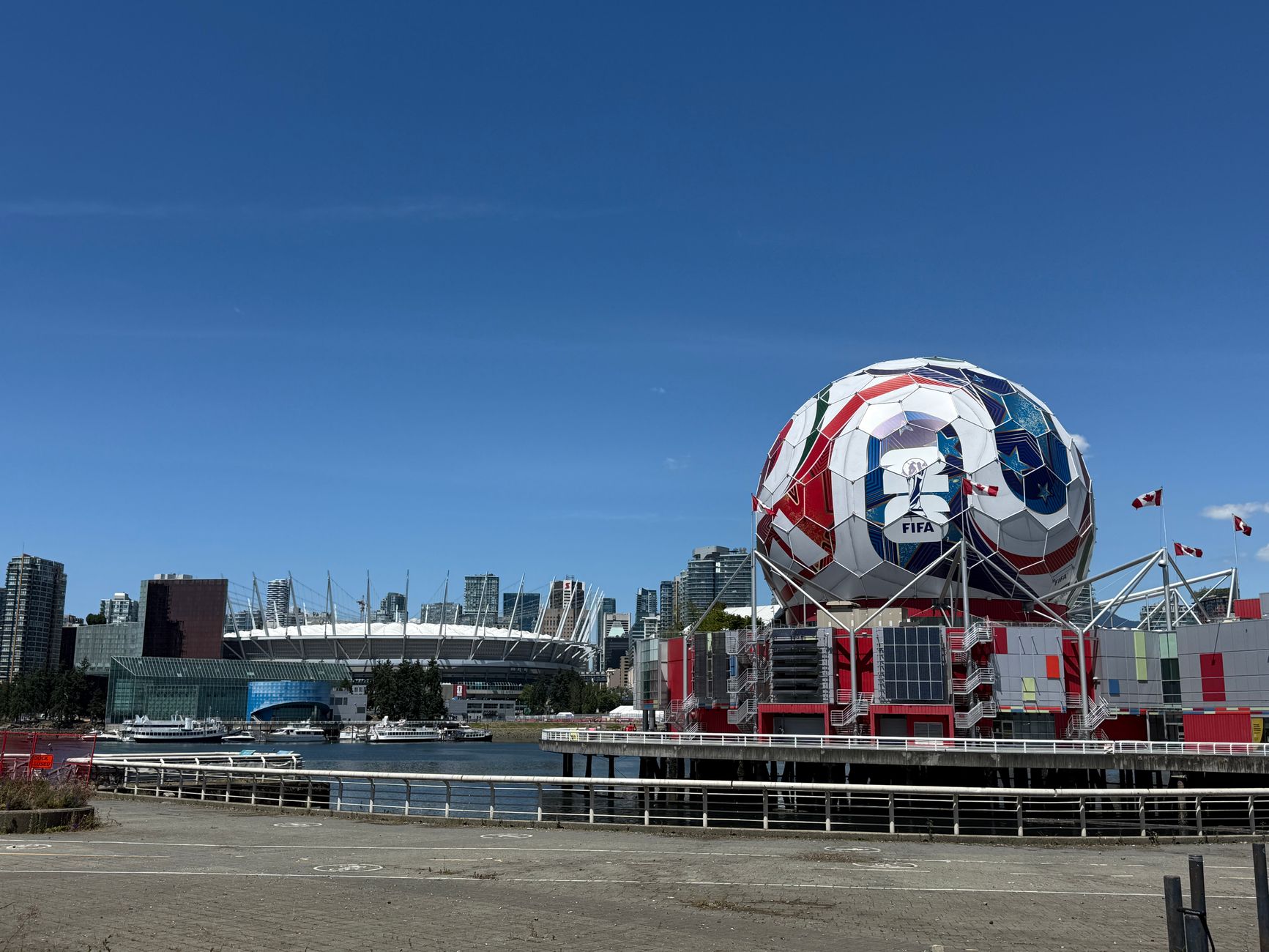
What Nobody Tells You About FIFA World Cup 2026
The FIFA World Cup is the world’s premier men’s international football tournament, and World Cup Hub tracks it for adult fans in regulated markets through predictions, team tactics, player stats, and....
What Nobody Tells You About FIFA World Cup 2026
The FIFA World Cup is the world’s premier men’s international football tournament, and World Cup Hub tracks it for adult fans in regulated markets through predictions, team tactics, player stats, and 2026 tournament coverage. The competition is run by the Fédération Internationale de Football Association across a global qualification cycle and a final tournament hosted every four years. The 2026 edition in Canada, Mexico, and the United States expands to 48 teams, 104 matches, and 16 host cities, making it the largest World Cup ever staged. Since Uruguay 1930, only eight nations have won the trophy, with Brazil leading on five titles and Germany and Italy holding four each. FIFA says the World Cup is “the most prestigious association football tournament in the world,” and the numbers support that status. Follow verified schedules, squad data, tactical trends, and market context before making any prediction.
One viewer sees the FIFA World Cup as a month of flags, goals, and national emotion. Another sees a 104-match data environment shaped by travel distance, rest gaps, squad depth, tactical matchups, and regulated betting markets. Both views are correct, but the second one explains why the 2026 FIFA World Cup demands a different reading from every edition before it. World Cup Hub focuses on that second layer: the practical details behind predictions, team tactics, player stats, and tournament coverage for fans tracking the event daily. The tournament’s expansion from 32 to 48 teams changes group incentives, qualification pressure, and squad rotation patterns. It also changes how analysts interpret historical results from the 1998-2022 era, because comparisons now need context. The central question is not only who wins the FIFA World Cup, but which teams adapt fastest to a larger, longer, North American tournament.
For deeper tournament tracking, start with World Cup Hub’s daily coverage and match analysis.
Photo by The Six on Pexels
The Quick Comparison
| Dimension | Classic World Cup Era | FIFA World Cup 2026 |
|---|---|---|
| Final tournament teams | 32 teams from 1998 to 2022 | 48 teams |
| Total matches | 64 matches | 104 matches |
| Host model | Usually one country, sometimes two | Canada, Mexico, United States |
| Host cities | Typically 8 to 12 | 16 host cities |
| Main analytical challenge | Group-stage qualification and knockout form | Rotation, travel, climate, expanded variance |
The 2026 FIFA World Cup is not a simple enlargement of Qatar 2022. It is a structural reset. According to FIFA, the 2026 tournament uses 48 teams and 104 matches across 16 host cities, while the historical competition record from Wikipedia shows that the men’s tournament began in 1930 and has been held every four years except during the Second World War. That historical gap matters because long-term performance tables were built under different formats: 13 teams in 1930, 24 teams from 1982 to 1994, 32 teams from 1998 to 2022, and now 48. The comparison also affects betting analysis in licensed jurisdictions, because a larger event produces more matches but not automatically more predictable outcomes. More fixtures create more information, yet early rounds include wider quality differences and less familiar tactical matchups. To read the tournament clearly, compare teams by current squad construction, not only badge history. For background format reading, see our [Internal Link: FIFA World Cup format guide].
Round 1: Why Does Scale Matter in FIFA World Cup 2026?
Scale matters because FIFA World Cup 2026 expands to 48 teams, 104 matches, and three host nations. That creates more variance, more travel complexity, and more tactical mismatches than the 32-team format used from France 1998 through Qatar 2022.
The obvious effect is volume, but the hidden effect is comparison failure. A team that dominated a six-match qualifying route in Europe, South America, or Africa does not face the same logistics as a team crossing time zones between Dallas, Vancouver, Mexico City, and Miami. The United States, Canada, and Mexico bring stadium variety, altitude differences, climate variation, and major-distance travel into one tournament map. Mexico City sits at more than 2,200 meters above sea level, while Miami offers humidity and heat, and Vancouver brings a different playing environment altogether. That is a concrete edge case many previews ignore: two teams can enter with equal FIFA ranking strength but unequal recovery conditions based on where their group and knockout fixtures fall. Analysts at World Cup Hub treat travel days and kickoff environment as performance variables, not background color. This matters especially for pressing teams, older squads, and national sides that rely on a narrow starting eleven.
A second overlooked point is the effect of third-match incentives. In a 48-team tournament, group math changes how coaches manage risk before the knockouts. FIFA’s expanded structure creates more qualification pathways, but it also produces matches where goal difference, disciplinary records, and rotation choices become decisive. The first two group games carry more strategic weight because managers need to balance qualification security with player preservation. A team that seals advancement early has a measurable rest advantage if it protects key forwards, full-backs, and defensive midfielders in match three. Conversely, a team chasing qualification often spends physical resources before the knockout phase even begins. This is where surface-level predictions fail: they treat every win as equal, while tournament practitioners value energy left after the win. The useful model weighs squad depth, substitution quality, and travel recovery beside form and star power.
See how World Cup Hub breaks down match context beyond the scoreboard.

Photo by Franco Monsalvo on Pexels
Round 2: What Separates Champions From Popular Picks?
Champions separate themselves through repeatable tournament advantages: defensive control, elite finishing, set-piece quality, and bench strength. Popular picks often depend on reputation, star names, or recent highlights, while FIFA World Cup winners usually survive low-margin matches under pressure.
History is blunt. Brazil owns five FIFA World Cup titles, while Germany and Italy have four each, Argentina has three, and France and Uruguay have two. England and Spain each have one. Those numbers tell a story of tradition, but they do not produce a 2026 winner by themselves. The more useful pattern is that champions usually combine three capabilities: a stable defensive structure, at least one elite chance creator, and enough bench quality to change matches after the 60th minute. Argentina in 2022 had Lionel Messi, but also had midfield balance, defensive adaptation, and penalty-box efficiency. France in 2018 had Kylian Mbappé, but also had transition speed, set-piece threat, and tactical pragmatism under Didier Deschamps. Germany in 2014 had possession control and squad depth, then settled the final through one late technical action from Mario Götze. Names matter, but systems decide how often those names receive useful moments.
For betting-oriented readers in legal and regulated markets, the key distinction is between public attention and probability. Public attention clusters around Brazil, Argentina, France, England, Spain, Germany, Portugal, and the Netherlands because their player pools are familiar across the Premier League, La Liga, Serie A, Bundesliga, and UEFA Champions League. Probability needs a wider checklist. Use this sequence before trusting a futures price or match prediction:
- Check current squad health, especially center-backs, holding midfielders, and starting goalkeeper.
- Compare recent competitive results against top-30 FIFA-ranked opponents, not only friendlies.
- Review set-piece output, because knockout matches often hinge on corners, free kicks, and penalties.
- Factor travel and rest days once FIFA confirms the exact route.
- Separate market popularity from tactical suitability.
That final step is where sharper World Cup analysis begins. For more tactical reading, visit our [Internal Link: team tactics and formation analysis].
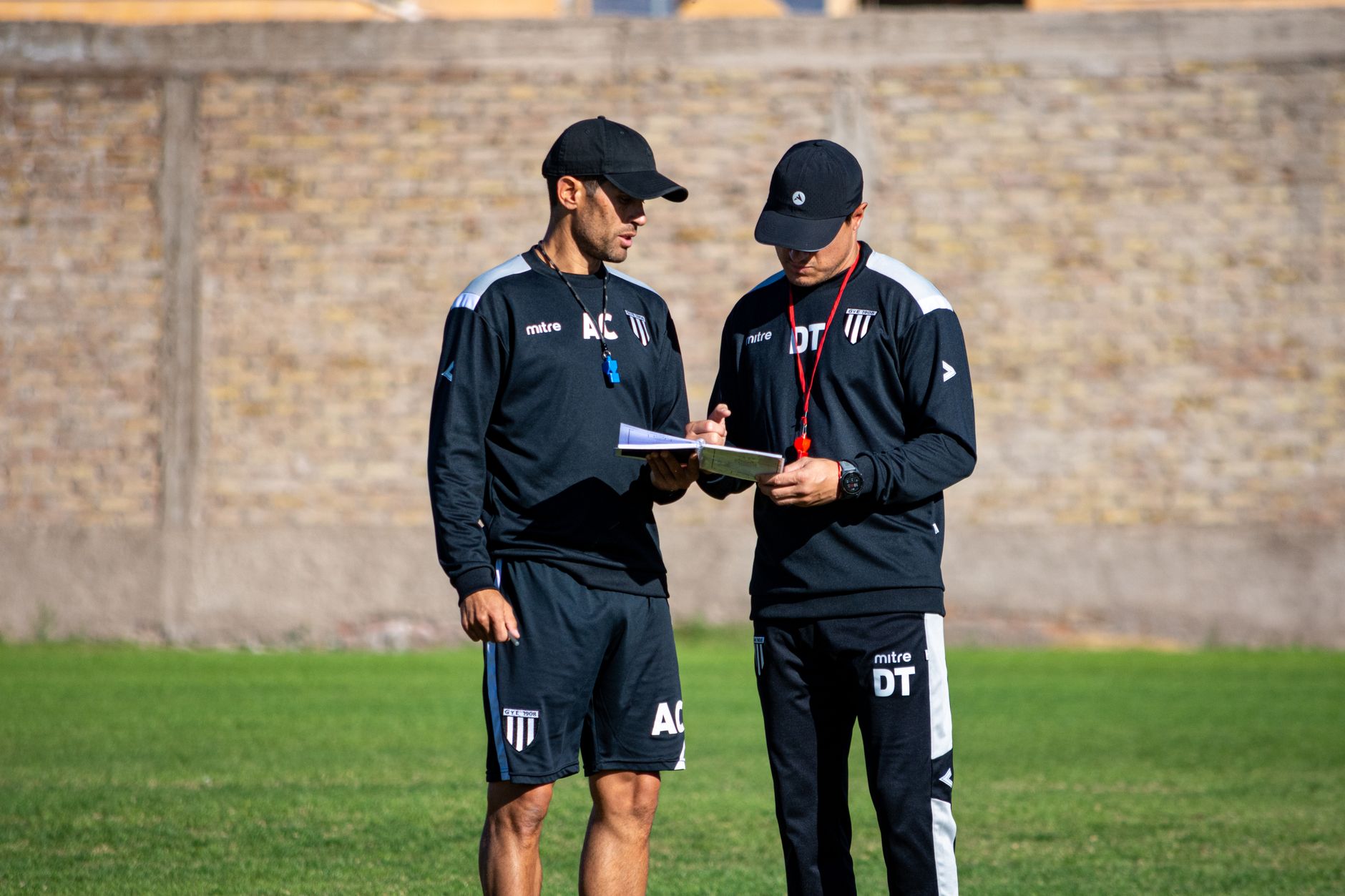
Photo by Franco Monsalvo on Pexels
A practitioner-level detail deserves emphasis: group-stage goal difference loses predictive value when one team faces an opponent already eliminated or heavily rotated. In previous 32-team editions, analysts often used group goal difference as a strength signal. In FIFA World Cup 2026, the expanded field increases the chance of uneven motivational states by the final group match. A 3-0 win against a rotated side does not equal a 2-1 win against a full-strength contender. World Cup Hub’s match model weights opponent motivation, lineup rotation, and travel sequence before treating scoreline margin as evidence. That approach is more useful than ranking teams by raw goals scored after three games. It also explains why some knockout teams appear statistically dominant but become vulnerable when facing a tactically compact opponent. In tournament football, context turns numbers into information.
Round 3: How Should Fans Read Betting and Prediction Markets?
Fans should read FIFA World Cup betting and prediction markets as information signals, not final answers. Licensed odds reflect probability, margin, liquidity, injuries, team news, and public demand, so the best analysis compares prices with tactical and statistical evidence.
The legal betting industry treats the FIFA World Cup as a global sporting-entertainment event with extreme liquidity around major fixtures. That means prices move fast when confirmed lineups, injury reports, suspension news, or weather forecasts become public. However, odds are not pure forecasts. They include bookmaker margin and market behavior. In high-profile matches involving England, Brazil, Argentina, France, Portugal, or Germany, public money often concentrates on famous players and national narratives. That demand can shorten prices even when the tactical matchup is less favorable. Serious readers compare market movement with independent data: expected goals, shot quality, field tilt, pressing success, goalkeeper performance, and set-piece efficiency. The UK Gambling Commission describes its regulatory purpose as making gambling “fairer, safer and crime-free,” which underlines why licensed-market context matters in industry reporting. Prediction content should identify assumptions clearly and distinguish team strength from price value.
The strongest market angle is usually not a loud winner pick. It is a mismatch between perception and match mechanics. For example, a famous attacking team that faces a low-block opponent with strong aerial defenders produces a different scoring profile than its brand reputation suggests. A technically strong midfield can also be neutralized if it lacks pace behind the defensive line and faces a transition-heavy opponent. This is why World Cup Hub separates four common prediction layers:
- Match outcome: win, draw, or loss based on team quality and game state.
- Totals profile: scoring range shaped by tempo, defensive block, and finishing volume.
- Player impact: shots, assists, cards, or minutes based on role and matchup.
- Tournament futures: bracket path, squad depth, rest, and injury exposure.
That structure reduces emotional picks and makes each forecast testable after the match. For further reading, see our [Internal Link: football betting market analysis].
See the data-led approach behind World Cup Hub predictions and tournament coverage.

Photo by RDNE Stock project on Pexels
The Final Score & Who Should Pick What
The right FIFA World Cup approach depends on the reader’s goal. Casual fans should follow storylines and schedule clarity; tactical readers should prioritize formations and matchups; betting-focused readers in regulated markets should compare odds with squad data, travel, and price movement.
The final score of this analysis is straightforward: FIFA World Cup 2026 rewards disciplined interpretation more than nostalgia. The tournament’s size makes old shortcuts weaker. Ranking by historic titles, famous forwards, or confederation reputation misses the operational reality of 48 teams, 104 matches, 16 host cities, and three host countries. Casual fans should pick a coverage source that explains fixtures, teams, and players without burying the story in jargon. Tactical readers should track pressing styles, buildup patterns, full-back roles, set-piece schemes, and substitutions. Betting-focused readers should monitor market movement only after checking team news and match context. Media professionals and industry observers should watch how FIFA, broadcasters, sportsbooks, sponsors, and host cities package the largest World Cup in history. The best choice is not one universal lens. It is a layered dashboard that updates as the tournament changes.
A contrarian conclusion follows from the format: the eventual champion does not need to be the most explosive team in June 2026. It needs to be the team that loses the least performance quality across travel, rotation, knockout pressure, and tactical adjustment. That favors squads with two playable lineups, adaptable midfield profiles, reliable dead-ball execution, and managers comfortable changing shape mid-match. It also makes underdog coverage more valuable because expanded tournaments create new knockout paths for well-organized sides outside the usual elite list. World Cup Hub is built for that daily read of the 2026 FIFA World Cup, combining predictions, tactics, player stats, and tournament coverage in one focused platform. The actionable recommendation is simple: start with schedule context, then evaluate teams through tactics and availability before trusting headlines or odds. For related coverage, check our [Internal Link: 2026 World Cup predictions hub].
Follow World Cup Hub for daily insights as the 2026 tournament approaches.
Frequently Asked Questions
Q: What is the FIFA World Cup?
A: The FIFA World Cup is the leading men’s international football tournament run by the Fédération Internationale de Football Association. It began in 1930 in Uruguay and is staged every four years, except for wartime interruptions in 1942 and 1946. The tournament brings national teams through continental qualification into a final event that decides the world champion.
Q: How to follow FIFA World Cup 2026 effectively?
A: Follow FIFA World Cup 2026 by tracking the official schedule, team news, tactical previews, and verified player statistics. Start with fixture locations because the United States, Canada, and Mexico create major travel and climate variables. Then compare squad depth, injuries, likely formations, and rest days before judging any prediction.
Q: What is different about FIFA World Cup 2026 compared with Qatar 2022?
A: FIFA World Cup 2026 is larger than Qatar 2022, expanding from 32 teams and 64 matches to 48 teams and 104 matches. It is also hosted across three countries instead of one compact host nation. That makes travel, rotation, and venue conditions more important for analysis.
Q: Is Brazil still the most successful FIFA World Cup team?
A: Brazil remains the most successful FIFA World Cup team by titles, with five championships. Germany and Italy follow with four each, while Argentina has three after winning Qatar 2022. Historical success matters, but 2026 predictions still need current squad quality and tactical context.
Q: What should fans do if World Cup predictions conflict?
A: Fans should compare the assumptions behind each FIFA World Cup prediction rather than choosing the loudest opinion. Check whether the forecast accounts for injuries, lineup rotation, venue, rest days, and opponent style. A clear prediction explains why a team has an edge and what condition would weaken it.
Q: How much does it cost to use World Cup Hub?
A: World Cup Hub content access depends on the site’s current publishing and product setup. The platform focuses on FIFA World Cup match predictions, team tactics, player stats, and tournament coverage for fans following the 2026 event. Readers should check the official site for the latest access details and available features.
Thank you for reading.
World Cup Hub · The Archive