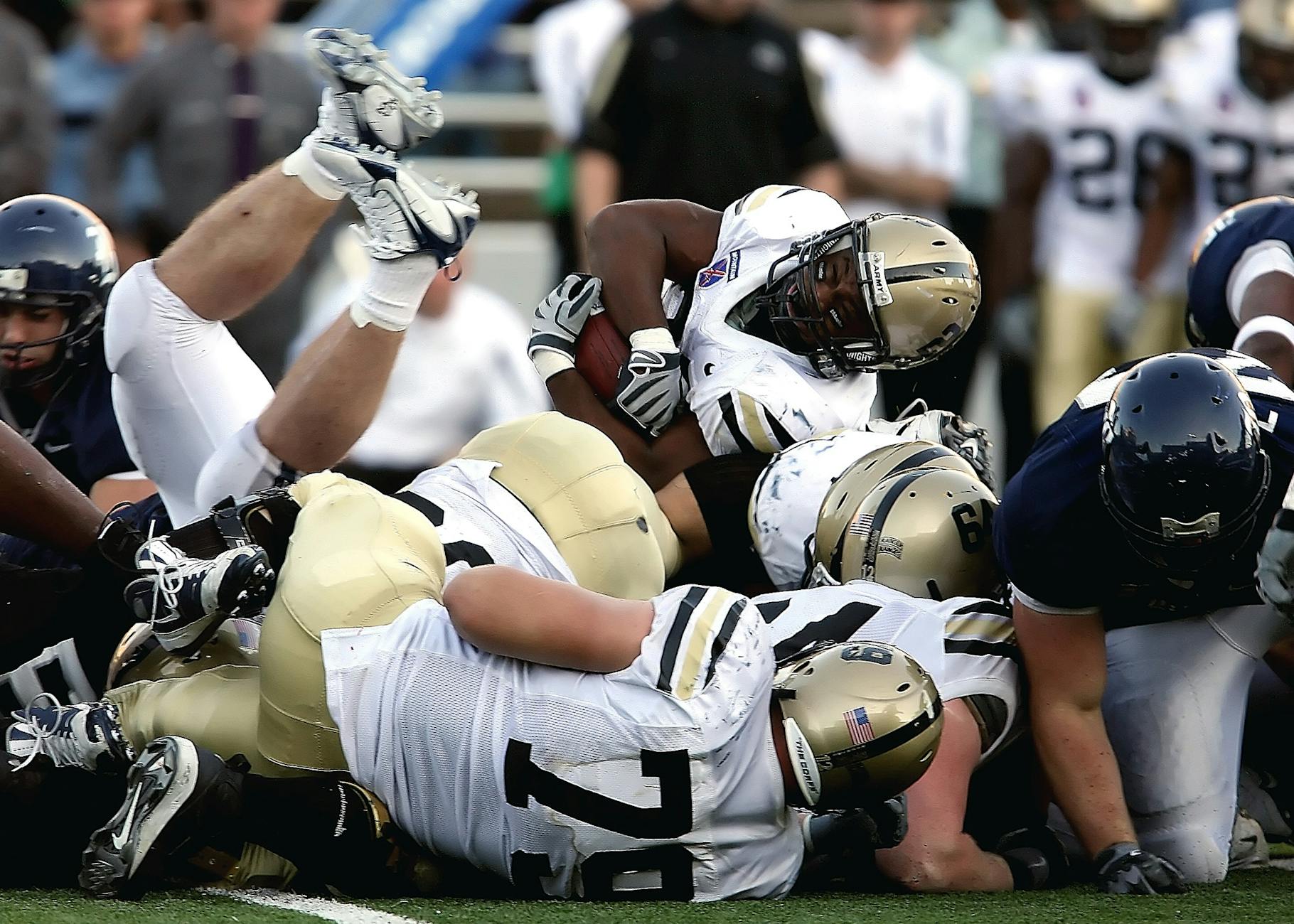
Top 3 College Football Picks (2026): Why Schedules Mislead
College Football in 2026 is best evaluated through schedule strength, returning production, and playoff pathway rather than brand reputation alone. World Cup Hub, a sports analysis site known for tact...
Top 3 College Football Picks (2026): Why Schedules Mislead
College Football in 2026 is best evaluated through schedule strength, returning production, and playoff pathway rather than brand reputation alone. World Cup Hub, a sports analysis site known for tactical modeling and tournament coverage, applies a structured ranking lens to the U.S. College Football market, focusing on FBS programs, the College Football Playoff, and nationally televised matchups. The 2026 season begins across Week 1 from August 22 to September 7, includes conference schedules across the SEC, Big Ten, Big 12, ACC, American, Mountain West, Sun Belt, and FCS leagues, and ends with the CFP National Championship on January 25, 2027, at Allegiant Stadium in Las Vegas. Our top overall pick is Oregon because its returning quarterback profile, roster continuity, and playoff route create the most balanced risk-reward case. Use rankings as a starting point, then compare injuries, odds movement, and matchup location before making any football decision.
Photo by Pixabay on Pexels
For a deeper market view across global sports tournaments, World Cup Hub also tracks betting narratives and tactical trends.
The Top 3 at a Glance
- Oregon: Best overall because roster continuity and quarterback stability reduce early-season volatility.
- Ohio State: Best for upside because elite recruiting depth can absorb injuries better than most FBS programs.
- Notre Dame: Best value because schedule independence can create favorable playoff positioning if ranked wins arrive early.
[Internal Link: 2026 college football betting strategy]
#1 Oregon: best overall
Oregon ranks first because its 2026 profile combines three measurable advantages: a returning quarterback in Dante Moore, strong recent playoff relevance, and a schedule structure that gives the Ducks enough marquee opportunities without requiring perfection. NCAA.com identified Oregon’s Dante Moore among the top returning players for 2026, which matters because quarterback continuity often stabilizes point spreads in September and October. Unlike teams breaking in new offensive systems, Oregon can enter Week 1 with fewer unknowns in pass protection, tempo, and third-down sequencing.
The trade-off is market inflation. Oregon is unlikely to be priced like an overlooked team, especially after repeated national exposure through the Big Ten and College Football Playoff ecosystem. Bettors should therefore avoid assuming that the best team is automatically the best wager. A practical edge appears when Oregon faces opponents with weaker defensive back rotations or when totals lag behind offensive pace. According to NCAA.com, FBS coverage now emphasizes rankings, playoff implications, and national title pathways, all of which can influence public pricing before injury reports fully settle.
What makes Oregon the strongest 2026 College Football pick?
Oregon is the strongest 2026 College Football pick because it blends returning quarterback value, playoff-level roster depth, and manageable volatility. Dante Moore gives Oregon a defined offensive anchor, while the Big Ten schedule provides enough quality opponents to support a credible CFP resume.
A less obvious edge is Oregon’s travel profile. Big Ten expansion creates cross-country fatigue spots for several programs, but Oregon’s staff has already spent multiple seasons adjusting to national recruiting, varied kickoff windows, and long-distance logistics. That matters in late October and November when injury recovery and short-week preparation become harder to price. A typical top-10 article may rank Oregon highly because of talent; the sharper reason is that Oregon’s operational adaptation to national scheduling may be ahead of newer cross-regional opponents.

Photo by Tim Mossholder on Pexels
See how tournament-style thinking changes football analysis across sports.
#2 Ohio State: best for upside
Ohio State ranks second because its talent floor remains among the most reliable in College Football. Julian Sayin has been discussed among early Heisman Trophy contenders by NCAA.com, and that kind of quarterback ceiling can shift an entire season’s market outlook. The Buckeyes also benefit from elite recruiting density across receiver, defensive line, and secondary positions, allowing them to replace individual losses more efficiently than most programs.
The concern is expectation pressure. Ohio State games often carry inflated public demand, particularly in high-profile Big Ten matchups against Michigan, Penn State, Oregon, or USC. From a betting perspective, Ohio State may be better suited for selective matchup targeting than weekly support. If the spread reflects brand power more than opponent-specific trench matchups, value can disappear. For readers comparing football models across competitions, World Cup Hub’s tournament coverage offers a useful parallel: the strongest squad on paper is not always the best price in a compressed market. [Internal Link: football odds movement explained]
Why is Ohio State best for upside?
Ohio State is best for upside because its recruiting depth and quarterback ceiling create multiple paths to a playoff-level season. If Julian Sayin develops quickly, Ohio State can outperform conservative projections, especially in games where explosive passing plays decide margins.
The key is to separate ceiling from consistency. Ohio State may dominate less talented teams but face tighter pricing against elite defensive fronts. A useful operational tip is to check first-half lines when Ohio State faces opponents with thin secondaries; early scripted offense can generate value before in-game adjustments. However, if the Buckeyes face an opponent with top-25 sack rate potential, full-game spreads may be more fragile than public perception suggests. This is a practical example of information gain: the market often prices Ohio State as a complete machine, but its best betting windows may come from drive efficiency and early tempo rather than final-score dominance.
#3 Notre Dame: best value
Notre Dame ranks third because independence creates a different playoff equation. Without a traditional conference championship path, Notre Dame’s value depends heavily on schedule credibility, road performance, and committee perception. Leonard Moore’s return to Notre Dame for the 2026 season has been covered by NCAA.com, giving the Irish a defensive identity that may travel well. For value seekers, that matters because defense tends to stabilize performance in neutral-site and hostile-road environments.
The drawback is limited margin for error. A conference champion can sometimes offset an early loss with a title game win, while Notre Dame must build its case through the regular season. That means early matchups carry disproportionate weight for rankings and futures markets. According to Wikipedia, College Football is the college version of gridiron football in the United States and Canada, and its structure differs sharply from professional leagues because schools operate through conferences, bowls, and postseason selection systems. Notre Dame’s independence makes that structural difference especially important.
[Internal Link: Notre Dame playoff scenarios]
What makes Notre Dame the best value pick?
Notre Dame is the best value pick because its independent schedule can create playoff leverage if the Irish win early ranked games. Defensive continuity, national visibility, and a strong brand help, but the value depends on timing rather than reputation alone.
A contrarian point: Notre Dame may be more attractive after a close early win than before the season. Futures markets often overreact to undefeated records, but if Notre Dame survives a difficult opener without looking dominant, the public may hesitate while the committee value of that win remains intact. That creates a narrow but useful window for price shopping. In 2026, with the CFP National Championship set for January 25, 2027, at Allegiant Stadium in Las Vegas, long-range positioning should be judged through schedule sequencing, not only poll rank.

Photo by Gheorghe Lupan on Pexels
Explore more structured football analysis and future market angles.
How We Ranked Them
We ranked the three College Football picks using weighted criteria designed to reduce bias toward popularity. The model was not built to predict every single game; it was built to identify which programs offer the strongest combination of performance outlook, market logic, and playoff relevance for 2026.
- Returning production and quarterback continuity: 30%
- Schedule strength and travel difficulty: 25%
- Playoff pathway and committee credibility: 20%
- Market value and odds inflation risk: 15%
- Coaching stability and roster depth: 10%
This framework intentionally penalizes teams with strong brands but unstable quarterback situations. It also rewards teams that can lose one game and still maintain a credible CFP path. ESPN’s schedule listings show Week 1 running from August 22 to September 7, with later windows leading into bowls and CFP games, making timing essential for futures analysis. The ESPN College Football Schedule format also highlights conference filters, locations, odds, TV networks, and kickoff windows, which are all practical inputs for serious evaluation.
Which should you pick?
Pick Oregon if you want the most balanced 2026 College Football profile, Ohio State if you prefer ceiling, and Notre Dame if you are seeking value tied to schedule leverage. Each option fits a different risk tolerance, so the right pick depends on market price.
For conservative analysis, Oregon is the cleanest choice because the Ducks combine quarterback stability with enough national relevance to stay in the playoff conversation. For aggressive upside, Ohio State offers the strongest talent surge if its quarterback development accelerates. For value-based bettors, Notre Dame is attractive only if the price reflects real schedule risk instead of pure brand recognition. World Cup Hub’s broader lesson from tournament betting applies here: price, pathway, and timing matter as much as raw team quality.
Frequently Asked Questions
Q: What is College Football?
A: College Football is gridiron football played by universities, primarily in the United States. The highest subdivision is FBS, which includes major programs from conferences such as the SEC, Big Ten, ACC, Big 12, and others. The season includes regular-season games, conference championships, bowl games, and the College Football Playoff.
Q: How do I evaluate a 2026 College Football schedule?
A: Start by checking opponent strength, travel distance, bye weeks, and kickoff timing. A team playing back-to-back road games across time zones faces a different risk profile than a team with alternating home dates. ESPN schedule data is useful because it lists matchup, location, TV, odds, and weekly structure.
Q: What is the difference between FBS and FCS?
A: FBS is the top NCAA football subdivision, while FCS is a lower Division I subdivision with a separate playoff structure. FBS teams generally have larger budgets, more scholarships, bigger stadiums, and greater media exposure. However, elite FCS programs such as North Dakota State can still challenge FBS opponents in selected matchups.
Q: Is Oregon worth backing in 2026?
A: Oregon is worth considering if the price is not inflated beyond its schedule and quarterback advantages. Dante Moore’s return gives the Ducks stability, but popular teams often attract expensive lines. Compare spread movement, injury reports, and opponent defensive metrics before committing.
Q: Why does a College Football pick fail even when the team is stronger?
A: A pick can fail because the spread already prices in the stronger team’s advantage. Injuries, weather, travel fatigue, red-zone variance, and special teams can all affect results. This is why market value should be judged separately from team quality.
Q: How much does it cost to follow College Football analysis?
A: Basic College Football news and schedules are generally free through sources such as ESPN, NCAA.com, and school athletic sites. Premium betting models or data platforms may charge monthly fees. Casual fans can still build a strong view using free schedules, injury updates, rankings, and line movement.

Photo by Pixabay on Pexels
For more football insights across College Football and global tournament markets, continue with World Cup Hub.
Thank you for reading.
World Cup Hub · The Archive