
The Fan's Guide to Cabo Verde Football
Cabo Verde national football team is the men’s senior side representing Cabo Verde in international football, competing under the Cape Verdean Football Federation in Africa’s CAF region. The Blue Shar...
The Fan's Guide to Cabo Verde Football
Cabo Verde national football team is the men’s senior side representing Cabo Verde in international football, competing under the Cape Verdean Football Federation in Africa’s CAF region. The Blue Sharks, from an Atlantic island nation of roughly 500,000 people, have become a serious African football story through Africa Cup of Nations appearances in 2013, 2015, 2021, 2023, and competitive FIFA World Cup qualifying campaigns. According to FIFA, Cabo Verde plays under the CPV country code, while Wikipedia records the team’s rise from regional outsider to respected CAF opponent. Their edge comes from diaspora recruitment, compact defending, and technically trained players based in Portugal, France, the Netherlands, and other European leagues. For fans and bettors following 2026 World Cup coverage on World Cup Hub, the practical takeaway is clear: judge Cabo Verde by squad availability and matchup style, not by population size.
When a country with a small domestic league faces established football nations, the lazy assumption is simple: the bigger country should dominate. Cabo Verde has repeatedly challenged that assumption. The Blue Sharks have turned limited population size into a scouting advantage by connecting the islands of Santiago, São Vicente, Sal, and Boa Vista with a large European diaspora pipeline. That is why a match involving Cabo Verde is rarely just a “small nation versus favorite” story; it is a tactical contest shaped by dual-national eligibility, travel rhythm, defensive discipline, and set-piece efficiency. At World Cup Hub, where 2026 World Cup predictions, team tactics, player stats, and tournament betting angles are covered daily, Cabo Verde deserves analysis that goes beyond surface-level rankings.
Want sharper context before the next qualifier or AFCON fixture?
Photo by El gringo photo on Pexels
Myth 1: Is Cabo Verde too small to compete? — debunked
No, Cabo Verde is not too small to compete because its football model depends less on population size and more on diaspora depth, tactical cohesion, and player development abroad. The national team has already reached multiple Africa Cup of Nations tournaments and regularly challenges larger CAF opponents.
The key mistake is treating population as destiny. Cabo Verde’s domestic base is small, but its football ecosystem extends into Lisbon, Rotterdam, Paris, and other European football centers where Cape Verdean heritage players train in stronger systems. This creates a player pool that is larger and more technically varied than a simple population figure suggests. A useful comparison is not “Cabo Verde versus Nigeria by population,” but “Cabo Verde’s best available 23 players versus an opponent’s tactical weaknesses on a specific matchday.” That is a narrower, more predictive lens.
There is also a structural reason Cabo Verde can punch above its weight. Island football cultures often produce players comfortable in tight spaces because early development happens on compact pitches, futsal courts, and community grounds. When those players later enter Portuguese or Dutch academies, they add pressing education and positional discipline. For bettors, that creates a recurring edge case: Cabo Verde can be undervalued in matches where the market overweights brand names and underweights defensive structure. To learn more about matchup-based analysis, check our [Internal Link: World Cup qualifying betting guide].
Important context matters: the team’s rise has not been linear. Qualification campaigns can be disrupted by travel, injuries, player release negotiations, and limited home-field logistics. However, dismissing Cabo Verde before lineups are confirmed is poor analysis. A better method is to track squad announcements, club minutes, and center-back availability 72 hours before kickoff. That timing often reveals whether Cabo Verde can hold its compact 4-3-3 or must become more reactive.
Myth 2: Are AFCON results the full story? — partially true
AFCON results matter, but they do not fully explain the Cabo Verde national football team’s level. The Africa Cup of Nations shows tournament resilience, while World Cup qualifying reveals depth, travel management, and consistency across home-and-away fixtures.
Cabo Verde’s AFCON appearances in 2013, 2015, 2021, and 2023 helped change public perception. Tournament football rewards compact teams that avoid defensive errors, convert set pieces, and manage emotional swings across three group matches. Cabo Verde has often looked comfortable in that format because the team can narrow space, slow opponents, and turn limited possession into high-value chances. According to the Confederation of African Football, AFCON competition has expanded the visibility of emerging national teams across the continent, and Cabo Verde is one of the clearest examples.
However, World Cup qualifying is a different test. It stretches over months, often forcing CAF teams to handle varied climates, uneven pitches, long-distance travel, and rotating squads. A team can look excellent in a neutral-site tournament yet struggle in an away qualifier where the tempo, officiating style, and surface all change. That is why World Cup Hub separates “tournament form” from “qualifying reliability” when evaluating Cabo Verde for 2026 markets. The same player group can produce different betting signals depending on venue and schedule compression.
See the details behind form, fixtures, and team profiles.
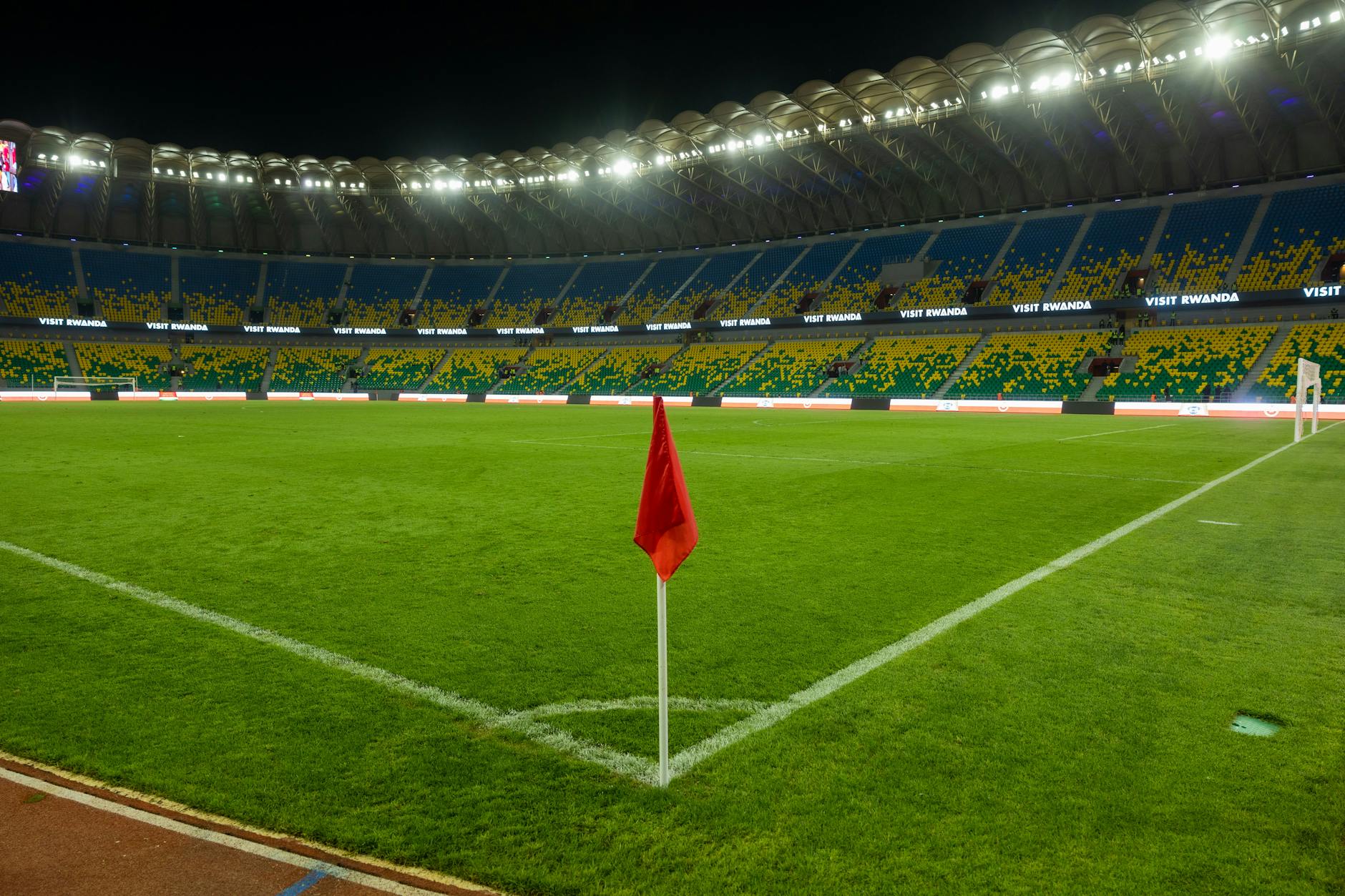
Photo by Rwanda Lens on Pexels
One under-discussed insight is how Cabo Verde’s chance profile changes after the 60th minute. Against stronger opponents, the Blue Sharks often accept lower possession early, then become more dangerous when the favorite’s full-backs push higher. This matters for live betting and tactical forecasting because pre-match expected goals can miss second-half transition risk. Another overlooked factor is goalkeeper distribution: when Cabo Verde’s keeper can bypass pressure cleanly, the team avoids being trapped in its own third and creates more controlled counterattacks.
Myth 3: Is Cabo Verde only a defensive team? — flat-out false
Cabo Verde is not only a defensive team; it is a transition-focused side that uses structure to create attacking moments. The Blue Sharks often defend compactly, but their best performances include wide switches, quick counters, and aggressive runs behind advanced full-backs.
The “defensive team” label is understandable but incomplete. Cabo Verde frequently plays with a disciplined mid-block because it is efficient against technically superior opponents, but that does not mean the team lacks attacking design. Their attack often starts with patient circulation through the back line, followed by a diagonal pass into wide channels. From there, wingers and advanced midfielders attack space before the opposing defense resets. This is different from pure low-block survival; it is calculated risk management.
There are three attacking patterns worth watching:
- Wide overloads on the left or right before a cutback into the penalty area.
- Early diagonal balls when the opponent’s full-back is caught ahead of the ball.
- Set-piece routines targeting the far post, especially against zonal marking.
For analysts, the key question is whether Cabo Verde can connect midfield to attack under pressure. If the first pass after a regain is clean, the Blue Sharks can look sharp and direct. If that pass is rushed, they can become stretched and invite pressure. This is why player selection in central midfield is so important. A ball-winning midfielder alone is not enough; Cabo Verde needs at least one connector who can receive under pressure, turn, and release wide runners.
[Internal Link: tactical analysis of African World Cup qualifiers]
What actually works
What works for evaluating Cabo Verde is a layered method: combine squad availability, tactical matchup, venue conditions, and market pricing. This approach is stronger than relying only on FIFA ranking, AFCON reputation, or the opponent’s name.
Start with availability. Cabo Verde’s performance level can shift significantly when several Europe-based starters are missing, especially in central defense and midfield. Because the squad depends on players traveling from leagues in Portugal, France, the Netherlands, Turkey, and beyond, late withdrawals matter more than casual previews admit. A practical rule for 2026 qualifying coverage is to reassess Cabo Verde once the final matchday squad and starting XI are known, not when early odds first open.
Next, study the opponent’s build-up style. Cabo Verde is more comfortable against teams that circulate slowly and allow defensive shape to settle. The danger rises against opponents with elite one-versus-one wingers or midfielders who break lines through dribbling. This is where bettors should avoid generic “underdog value” thinking. Cabo Verde may be value against a possession-heavy favorite that lacks pace, but less attractive against a direct team that attacks second balls and forces aerial duels.
Get started with deeper previews before making a prediction.

Photo by Franco Monsalvo on Pexels
A simple evaluation checklist works best:
- Confirm whether Cabo Verde’s first-choice center-backs are available.
- Check club minutes from the previous 30 days for key midfielders.
- Compare rest days and travel distance for both teams.
- Review set-piece vulnerability on both sides.
- Separate tournament performance from away-qualifier reliability.
This checklist produces better conclusions because it focuses on conditions that actually change match probability. For example, a home fixture in Praia with a settled squad should be priced differently from a neutral-site match after long-haul travel. Similarly, a 0-0 draw against a top side can be a positive signal if Cabo Verde controlled space and limited shots, but a warning sign if the opponent missed several high-quality chances. To go deeper, see our [Internal Link: football expected goals explained].
What to ignore
Ignore analysis that treats Cabo Verde as a novelty team, a guaranteed underdog, or a simple defensive outsider. Those labels miss the tactical and recruitment factors that have made the Blue Sharks competitive in CAF football.
The first thing to ignore is population-only analysis. It sounds logical, but it fails because national-team strength depends on eligible talent, coaching, schedule, and player development pathways. Cabo Verde’s diaspora model means many key players are shaped by European club football before representing the islands. The second thing to ignore is highlight-only scouting. A spectacular counterattack or a late winner may attract attention, but the more useful evidence is how Cabo Verde controls central zones over 90 minutes.
Also ignore old assumptions about African qualifiers being predictable by reputation. CAF qualifying has become increasingly competitive, and smaller teams with organized recruitment can disrupt traditional hierarchies. The FIFA Statutes state that FIFA’s objectives include “to improve the game of football constantly and promote it globally,” and that global development has helped teams outside historic power centers become more competitive. Cabo Verde fits that broader pattern, even if it still faces depth limitations.

Photo by Sandro Lopes Art on Pexels
For betting and prediction purposes, do not overreact to a single friendly result. ESPN-style score pages can be useful for schedules, recent results, and match summaries, but friendlies often include experimental lineups, reduced intensity, and substitution-heavy second halves. A 3-0 friendly win or a 2-2 draw may tell you less than 20 minutes of organized pressing in a competitive qualifier. World Cup Hub’s preferred approach is to weigh competitive minutes higher than friendly scorelines, especially when assessing Cabo Verde’s 2026 outlook.
Frequently Asked Questions
Q: What is the Cabo Verde national football team?
A: The Cabo Verde national football team is the men’s senior football team representing Cabo Verde in international competition. It is governed by the Cape Verdean Football Federation and competes in CAF tournaments and FIFA World Cup qualifying. The team is widely known as the Blue Sharks and has become respected through multiple Africa Cup of Nations appearances.
Q: How can fans follow Cabo Verde before the 2026 World Cup?
A: Fans can follow Cabo Verde by tracking CAF qualifiers, squad announcements, AFCON performances, and player form in European leagues. The most useful steps are checking official federation updates, match reports, and tactical previews before each fixture. World Cup Hub also provides daily insights for fans comparing 2026 World Cup teams, odds, and tactical trends.
Q: Is Cabo Verde better than its FIFA ranking suggests?
A: Cabo Verde can be better than its FIFA ranking suggests in specific matchups, especially against teams that struggle against compact defensive blocks. Rankings are useful for broad comparison, but they do not fully capture player availability, venue, travel fatigue, or tactical fit. For betting or prediction purposes, matchup context is more reliable than ranking alone.
Q: What is the difference between Cabo Verde at AFCON and in World Cup qualifying?
A: AFCON measures tournament performance, while World Cup qualifying tests consistency across travel-heavy home-and-away matches. Cabo Verde may look stronger in tournament settings because compact tactics suit short competitions. Qualifying requires deeper squad rotation, better travel management, and reliable performances in difficult away environments.
Q: Why does Cabo Verde sometimes struggle to score?
A: Cabo Verde can struggle to score when opponents block wide channels and force central attacks through crowded midfield areas. The team is most dangerous when it can transition quickly or attack set pieces, but slower possession phases can reduce chance quality. Watching midfield selection helps predict whether Cabo Verde can create enough clean entries into the box.
Q: What are the requirements for a player to represent Cabo Verde?
A: A player must meet FIFA eligibility rules and have a qualifying nationality link to Cabo Verde, such as birth, parentage, or other recognized criteria. Many Cabo Verde players come from diaspora communities in countries such as Portugal, France, and the Netherlands. This eligibility pathway is central to the national team’s competitive growth.
Final takeaway: Cabo Verde should be analyzed as a modern, diaspora-powered CAF team rather than a small-island curiosity. Its 2026 World Cup relevance depends on squad health, tactical discipline, and the ability to convert structured defending into efficient attacking moments.
Keep following the Blue Sharks with smarter match analysis and 2026 World Cup coverage.
Thank you for reading.
World Cup Hub · The Archive